







Search Results for: Finca Santa Teresa
A Complete Guide to Panama Santa Teresa Estate Coffee: The Flavor and Award-Winning History of Boquete-Grown Catuai Washed Beans
Located at the border between Panama and Costa Rica, Hacienda Santa Teresa is a hundred-hectare high-altitude coffee estate. Owner Juan Pablo Berard and his daughter Maria Luisia manage this land together, deliberately preserving twenty-five hectares of primary forest as a habitat for wildlife. The estate cultivates varieties such as Caturra, Catuai, and Geisha, and thanks to the volcanic black soil and the dual climates of the Pacific and Atlantic, it nurtures diverse micro-lot specialty coffees. The estate has repeatedly achieved outstanding results in Panama's annual Cup of Excellence (CoE) competition and was even selected in 2012 by the World Brewers Cup champion. This article will guide you through the estate's geography, cultivation philosophy, the flavor expression of its washed Catuai, and its award-winning records over the years, offering an in-depth look at the charm of this quintessential washed Panamanian coffee. Front Street Coffee also recommends paying attention to this estate's lots. [more…]
A Comprehensive Analysis of the Flavor and Origin of Front Street Panama Santa Teresa Estate Washed Caturra and Catuai Coffee
Panamanian coffee has attracted considerable attention among Central American producing countries in recent years. In addition to the Geisha variety from Hacienda La Esmeralda, which sparked a craze, Finca Santa Teresa in the Santa Clara region has also performed remarkably well. The estate is jointly managed by Juan Pablo Berard and his daughter Maria Luisia, covers 100 hectares, retains 25 hectares of primary forest, and mainly grows Caturra, Catuai, and Geisha. This article takes the estate's washed Caturra and Catuai as an entry point, sorts out the historical context of Panamanian coffee and the characteristics of its four core producing regions, and presents Finca Santa Teresa's award record and management philosophy. The micro-lot washed batch purchased this time by Front Street Coffee shows flavors of strawberry and floral notes, creamy roasted nuts accompanied by cane sugar sweetness, milk chocolate, and a pleasant sweet-acidity, and it has also repeatedly received recognition in Panama's Cup of Excellence CoE competitions over the years. [more…]
Panama Santa Teresa Estate Geisha: A Complete Analysis of Processing Methods, Roasting Recommendations, and Pour-Over Flavor
Finca Santa Teresa is located in the Santa Clara growing region of Chiriquí Province, Panama, at an altitude of 1,400 to 1,800 meters, adjacent to the Barú Volcano. Thanks to its fertile volcanic soil and microclimate, it produces exceptional Geisha. The estate is run jointly by Juan Pablo Berard and his daughter Maria Luisia, preserves its primary forest, practices environmentally friendly processing, and has won multiple Best of Panama awards. This article introduces the estate's background, its Geisha processing methods, roast level, and pour-over flavors. Front Street Coffee recommends this Geisha with delicate floral notes and a clean, fresh profile, taking you to experience the unique charm of Panamanian Geisha. [more…]
Hacienda Santa Teresa: A Strong Contender of Traditional Varieties at the Foot of Baru Volcano
In the 2026 BOP Traditional Varieties category, the champion belongs to Altieri Estate, the runner-up is Hacienda La Esmeralda, and the third place is a batch that entered with 92.38 points—it comes from Finca Santa Teresa, owned by Ezequiel [more…]
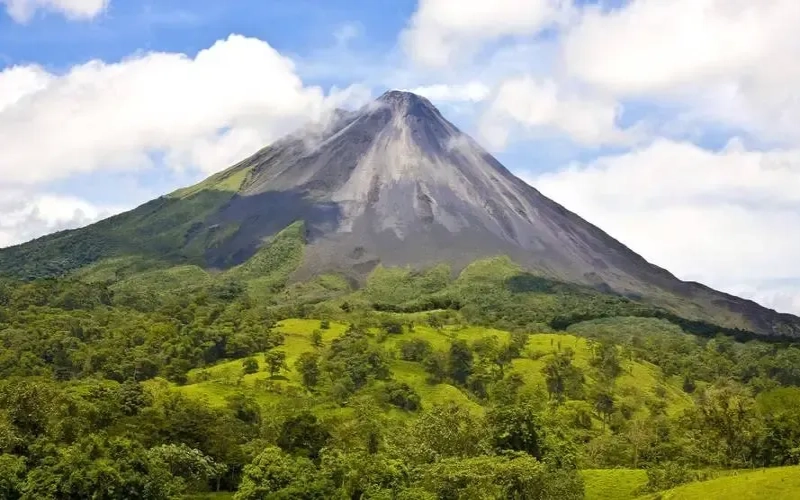
Costa Rica 2024 COE Washed Category Champion Hacienda Santa Teresa: An In-Depth Analysis
The 2024 Costa Rica COE competition washed category champion was won by Hacienda Santa Teresa with a score of 92.04. What exactly makes this estate, located in the Tarrazú production region, so unique? As a major coffee powerhouse in Central America, Costa Rica has seven distinctive production regions, among which the Los Santos area attracts much attention because of Tarrazú's fame. Hacienda Santa Teresa is situated in the high-altitude zone of the Cordillera Central at 1,900-2,050 meters, cultivating varieties such as Geisha, Sudan Rume, and Pacamara, and has long participated in the Blue Flag environmental certification program. This article will guide you through Costa Rica's coffee terroir, its production region divisions, and Hacienda Santa Teresa's progression from eighth place in the 2022 COE to champion in the 2024 washed category. Front Street Coffee will also recommend related products for you. [more…]
Exploring the Flavor Characteristics and Origins of Panama's Green Tip Geisha: From Hacienda La Esmeralda to a Specialty Coffee Legend
Panama, this narrow isthmus connecting North and South America, with its unique microclimates and volcanic soil, has given birth to the world-famous Geisha coffee. From the introduction of Typica in 1780 to Hacienda La Esmeralda's stunning breakthrough in 2004, how did Geisha rise from a windbreak hedge to the pinnacle of fame? What is the difference between green-tip and bronze-tip? This article takes you through the historical trajectory of Panama Geisha, decoding the terroir secrets of core producing regions such as Boquete and Volcán Barú, and reviewing the cultivation characteristics and grading systems of renowned estates like Hacienda La Esmeralda, Elida, and Hartmann, offering a comprehensive presentation of Geisha coffee's legendary charm. [more…]
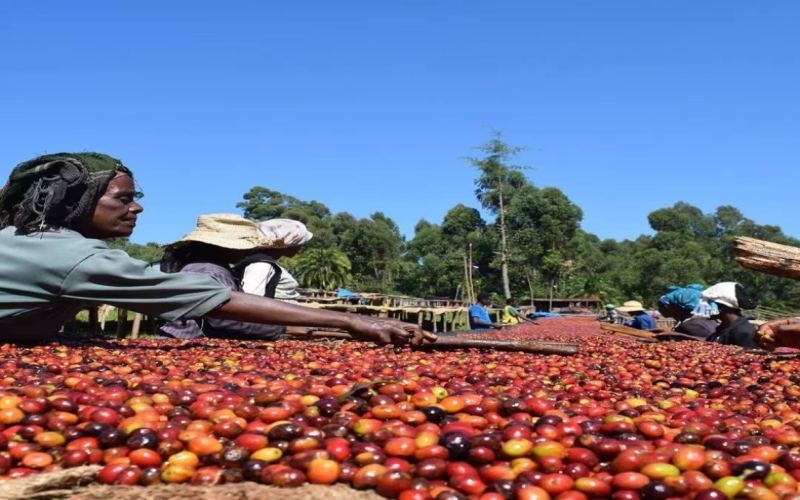
Hacienda Altieri: Family Management and Processing Innovation as Twin Drivers
In August 2026, the 30th BOP concluded in Boquete. In the Traditional Varieties category, Altieri Specialty Coffee took first place with 93.63 points, leaving Hacienda La Esmeralda and Santa Teresa Estate behind, setting [more…]
Guatemala Santa Felisa Estate Red Pacamara Natural Coffee Beans: Full Analysis of Flavor, Origin, and Processing Method
Santa Felisa Estate is located in Acatenango, a famous producing region in Guatemala. Founded by the Cruz family in 1904, it has now passed down to its fourth generation. The estate has repeatedly achieved excellent results in the Guatemala Cup of Excellence (COE) in 2016 and 2017, including first place in 2017. The batch introduced here is the Red Pacamara variety with natural processing, presenting flavors of pineapple, strawberry, black plum, and walnut, with a rich juicy feel, clean and delicate, and full layers. Guatemalan natural green beans are relatively rare, so this bean has attracted much attention. Front Street Coffee recommends that friends who enjoy natural flavors give it a try and experience its special ripe fruit aroma. [more…]
Flavor Characteristics of Guatemala Finca Santa Felisa Typica K72 Washed Coffee Beans and the Story of a Century-Old Estate
San Felisa Estate is a century-old family estate in the Acatenango region of Guatemala, run by the fourth generation of the Cruz family. The estate has its own processing plant, sits at an altitude of about 1,550 meters, and its coffee is grown at elevations of up to 1,920 meters. Its Typica beans use the K72 washed processing method—rare in Central America and originating in Kenya—undergoing 72 hours of triple-cycle fermentation and washing. Front Street Coffee recommends this bean, whose flavor profile features jasmine, lemongrass, chocolate, pistachio, stone fruit, delicate malic acidity, and a lingering caramel finish. This article will guide you through the estate's history, processing details, community philanthropy philosophy, and recommendations for various roast levels. [more…]
Cup Tasting Flavor Profile and Origin Characteristics of El Salvador Finca Neblina Champion Lot Pacamara and Bourbon Coffee Beans
This article provides an in-depth introduction to the legendary Salvadoran coffee producer Ernesto Menéndez and his award-winning lots from Finca Las Brumas. This lot includes two varieties, Pacamara and Bourbon, sourced from microclimatic blocks above 1,700 meters, with a clean and sweet flavor profile featuring notes of cherry, berries, creamy chocolate, and spice sweetness. The article details the estate's history, the arduous journey of twice winning the Cup of Excellence, the characteristics of the Pacamara variety, and includes a cupping report and roasting degree recommendations. It also introduces an overview of El Salvador's coffee-producing regions and information recommended by Front Street Coffee, making it suitable for coffee enthusiasts to gain a comprehensive understanding of the unique charm of Central American specialty coffee. [more…]
Panama Coffee Varieties, Processing Methods, and Flavor Analysis: An In-Depth Exploration of Elida Estate in the Boquete Region
Panama specialty coffee is world-renowned for varieties such as Geisha, and the Boquete region is home to a concentration of star estates. This article takes you deep into Panama's common coffee varieties, the flavor innovations brought by dry and honey processing, and focuses on Elida Estate—a legendary estate that has been a frequent winner at Best of Panama over the past five years. From the fertile volcanic soil at altitudes of 1,670 to 1,850 meters, to the Lamastus family's commitment to ecology and quality, Elida has achieved repeated success with the Catuai variety, demonstrating the perfect combination of terroir and processing craft. Front Street Coffee will also recommend Panamanian coffees worth paying attention to. [more…]
Colombia Finca El Viento Sweet Bee Coffee Beans: A Full Analysis of Variety, Grade, Honey Processing, and Flavor Profile
Located in the Santa Barbara production area of Antioquia Department, Finca El Viento sits at 1,820 meters above sea level. Built on a foundation of Colombia and Caturra varieties, it uses a honey processing method to create the micro-lot Sweet Bee coffee. This bean presents a complex flavor profile of honey citron tea, black plum, red grape, and clove, and estate owner Alejandro Trujillo uses self-made covered drying racks for meticulous processing. This article will systematically sort out the origins of coffee cultivation in Colombia, the concept of estate beans and key purchasing points, and provide an in-depth introduction to the specific information and quality characteristics of Finca El Viento Sweet Bee. At the same time, combined with Front Street Coffee's recommendation, it offers coffee lovers a complete reference on flavor and quality. [more…]
Front Street Selection: El Salvador Himalaya Estate — Honey-Process Red Bourbon Flavor Analysis and Origin Story
The El Salvador Himalaya Estate is located in the Santa Ana region, at an altitude of 1,500 meters in the Apaneca mountain range, and is managed by Aida Batlle, primarily cultivating Bourbon varieties. This lot of Red Bourbon and Typica is washed at the El Divisadero processing station and then dried on African raised beds using the semi-dry process, presenting a complex flavor profile of red wine acidity, plum, and brown sugar, with a full body and a long-lasting finish. Front Street Coffee brings you this specialty roasted bean, and also introduces the Project Origin green bean sourcing initiative founded by Sasa Sestic—a project that works directly with farmers in impoverished regions, improves production conditions, and purchases at 20% above fair trade prices, supporting the sustainable development of high-quality coffee. [more…]
Guatemalan Specialty Coffee Flavor Analysis: Antigua Region Characteristics, Front Street Coffee Bean Taste, Aroma, and Historical Origins
Guatemala, as an important specialty coffee producing country in Central America, nurtures coffee beans with rich layers and unique aromas thanks to its high-altitude volcanic soil and mild subtropical climate. Starting from the geography and history of the producing regions, this article analyzes the body, acidity, and flavor characteristics of Antigua coffee, and introduces detailed information on three Guatemalan specialty beans from Front Street Coffee, including the varieties, altitudes, processing methods, and flavor descriptions of Santa Ana, Finca El Injerto, and Finca Capetillo, guiding you through a comprehensive understanding of the unique charm and tasting highlights of Guatemalan coffee. [more…]
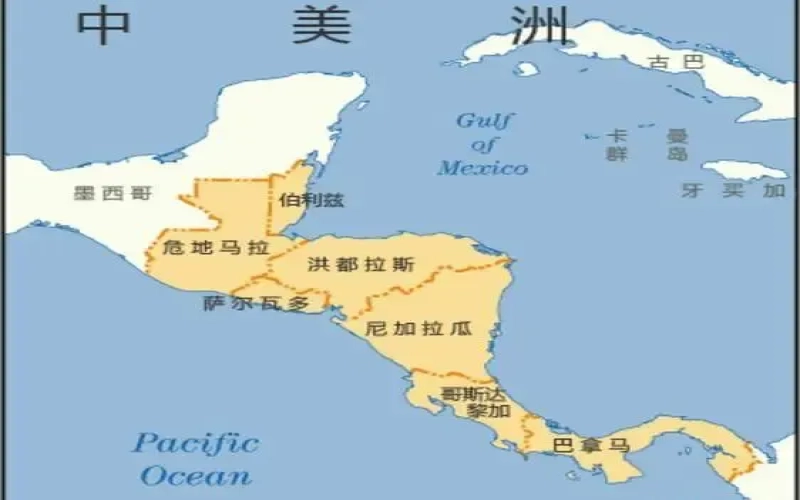
El Salvador Apaneca-Ilamatepec Region Analysis: Volcanic Soil, Historical Changes, and Finca El Angel
Among the many coffee-producing countries in Central America, El Salvador may not stand out in terms of volume, yet its volcanic ash soils and diverse microclimates give rise to a highly distinctive flavor profile. This article begins with the historical context, tracing how coffee replaced indigo as the backbone of the nation's economy and, after civil war and land reform, shifted toward competing on quality. The focus then turns to the largest producing region in the west, Apaneca-Ilamatepec, interpreting the high-altitude growing conditions around the Santa Ana volcano and the ecological value of shade cultivation, and introducing the varietal layout and terroir characteristics of Angel Estate, this year's COE Natural category runner-up. Front Street Coffee will also combine the region's characteristics to offer enthusiasts some reference ideas on bean selection and brewing. [more…]
A Global Roundup of Top Specialty Coffee Beans: Origins, Prices, and Flavor Stories of Six Expensive Varieties
In the world of coffee lovers, there are always some beans that command high prices due to their rarity, legendary status, or exceptional flavor. This article reviews six recognized expensive specialty coffee beans, from Indonesia's Kopi Luwak to Panama's Hacienda La Esmeralda Geisha, and Jamaica Blue Mountain, introducing their origins, reference prices, and the stories behind them one by one. Details covered include the COE competition results of El Injerto and Santa Ines estates, the connection between Saint Helena Island and Napoleon, and the production and marketing structure of Blue Mountain coffee. By reading this article, you can quickly understand why these top coffee beans are expensive, as well as their unique flavors and historical highlights. [more…]

Panama Volcan Nugu Estate Geisha: Pressure Anaerobic Fermentation Process Analysis and Full Flavor Record of Pour-Over Parameters
Nuguo Estate in the Volcan region of Panama is renowned for its high-altitude microclimate and limited-production Geisha. This article provides a complete overview of the origin background, variety story, and unique pressure anaerobic fermentation process of Nuguo Estate Geisha coffee beans, and shares Front Street Coffee's roasting approach, cupping flavors, and V60 three-pour brewing parameters, helping coffee enthusiasts gain a comprehensive understanding of this specialty Geisha that combines floral and fruity sweetness with elegant acidity. [more…]
Exploring Panama Nugu Estate Geisha Coffee: A Full Analysis of Pressure Anaerobic Fermentation and Flavor
On the map of Panamanian specialty coffee, the Volcán region is attracting more and more attention with its unique terroir charm. Nugu Estate, a micro Geisha farm nestled in the Jurutungo Valley, cultivates coffee beans that are rich yet refined in flavor, thanks to its high-altitude microclimate and innovative pressure anaerobic fermentation process. This article will take you into Nugu Estate, exploring its family background, the legendary history of the Geisha variety, as well as the details of pressure anaerobic fermentation and Front Street Coffee's roasting and brewing recommendations, so you can experience the allure of this limited-edition Geisha. [more…]
Exploring Panama's Hartmann Estate: From Forest Conservation to the Unique Flavors of Natural Geisha
Hacienda Hartmann is one of the oldest coffee farms in the Volcan region of Panama and a coffee family of distinguished reputation. Since old Hartmann established the estate in 1940, he has upheld a philosophy of respecting nature, preserving large areas of primary forest, and making the estate a model of cooperation for bird conservation and academic research. The estate is located in the Baru Volcano region, with fertile volcanic soil and a high-mountain microclimate, and grows many bean varieties; in recent years it has become even more active in planting Geisha. This article introduces the history and current situation of Hacienda Hartmann and the flavor characteristics of its natural-process Geisha coffee beans, taking you to appreciate the unique charm of this coffee from a champion-producing region. [more…]
A Visit to Elida Estate in Panama: The Flavor Secrets and Cultivation Details of High-Altitude Coffee from the Boquete Region
The fascination of the coffee world lies in the fact that different regions and estates, due to variations in altitude, soil, temperature, and rainfall, cultivate entirely distinct aromas and flavors. Like the wine classification system, specialty coffee emphasizes traceability and transparency, allowing drinkers to know which estate each bag of beans comes from, what kind of environment it grew in, and what processing it underwent. This time we travel to Central America, to Panama, to visit Elida Estate Coffee, located in the Boquete production area of Chiriquí Province. The estate sits on the eastern side of Barú Volcano, at an altitude ranging from 1,670 to 1,850 meters, making it one of the highest coffee estates in Panama. We will follow estate owner Wilford Lamastus as he observes coffee seedlings, ripe red cherries, and the processing station, to understand how high altitude, volcanic loam, and microclimates shape the award-winning cup profile of Elida, and to retain Front Street Coffee's recommendation information on this estate's Catuai. [more…]